
Study in Turkey 2026: Why Is It Becoming a Global Education Hub?


جدول المحتويات
Turkey has rapidly emerged as one of the most dynamic and accessible study destinations for international students. Offering a blend of rich history, world-class education, affordable tuition, and a vibrant cultural experience, studying in Turkey in 2026 promises both academic excellence and personal growth. Whether you’re looking for undergraduate, master’s, or Ph.D. programs, the country presents endless opportunities to learn, explore, and connect globally.
What Makes Turkey an Attractive Destination for International Students in 2026?
How Has Turkey’s Higher Education System Evolved Over the Years?
Over the past two decades, Turkey’s education system has transformed dramatically. Universities have adopted international academic standards, built new campuses, and developed partnerships with European and American institutions. Since joining the Bologna Process, Turkey has harmonized its higher education system with European qualifications, ensuring global recognition of its degrees.
What Are the Main Reforms That Shaped Modern Turkish Universities?
Reforms introduced by the Council of Higher Education (YÖK) focused on improving quality assurance, international cooperation, and research innovation. Turkish universities now offer dual degree programs, international accreditations, and exchange programs under Erasmus+.
How Does Turkey Maintain Global Education Standards?
Regular evaluations, international rankings, and strong government investment ensure that universities keep up with modern educational trends. Many Turkish institutions also collaborate with foreign universities to maintain world-class standards.
Why Do Students Choose Turkey Over Other Study Destinations?
International students increasingly view Turkey as a destination that balances quality and affordability. With a mix of Eastern and Western influences, it offers cultural depth that few countries can match. Tuition fees are lower compared to the U.S. or U.K., while living costs remain reasonable without compromising comfort.
What Unique Cultural or Academic Experiences Does Turkey Offer?
Turkey’s strategic location between Europe and Asia allows students to experience diverse traditions, food, and festivals. Academic life is enriched by seminars, student clubs, and international events that connect learners from all over the world.
How Accessible Are Turkish Universities for Foreign Applicants?
Turkey’s streamlined admission process and scholarships make higher education accessible to students from Asia, Africa, the Middle East, and Europe. With more than 200 universities, there’s an option for every academic and financial background.
How Affordable Is Studying in Turkey Compared to Europe or the U.S.?
Tuition fees in Turkey typically range between $1,000 and $8,000 per year for international students—significantly lower than Western alternatives. The cost of living is also modest, averaging $400–$800 monthly, depending on the city.
What Makes Turkish Universities Stand Out Academically?
Turkish universities emphasize both theoretical learning and practical experience. Many programs include internships, research projects, and exchange options, ensuring graduates are ready for the global job market.
How Do Turkish Degrees Compare Internationally?
Degrees from Turkey are recognized globally, especially those from top-ranked universities such as Middle East Technical University, Koç University, and Boğaziçi University. Many graduates pursue advanced degrees or careers abroad without credential issues.
Are Turkish Universities Recognized Worldwide?
Yes, numerous universities are ranked by QS World University Rankings and Times Higher Education, confirming their academic credibility and research output.
What Is Student Life Like in Turkey?
Student life in Turkey is vibrant and inclusive. Whether attending cultural events, exploring historic sites, or participating in student associations, there’s never a dull moment.
How Do Students Adapt to Turkish Culture and Lifestyle?
Turks are known for their hospitality, making it easy for international students to feel at home. Universities also organize orientation weeks and Turkish language courses to help newcomers settle in.
What Extracurricular Opportunities Are Available?
From photography clubs to sports teams and volunteering groups, Turkish universities encourage students to develop social and leadership skills outside the classroom.
What Are the Best Public Universities in Turkey?
Top public institutions include Middle East Technical University (METU), Istanbul University, Ankara University, and Hacettepe University. These universities are research-intensive and offer affordable tuition.
Which Private Universities Offer the Best International Programs?
Private universities such as Koç University, Sabancı University, and Bilkent University provide English-taught programs and modern facilities. Though tuition is higher, scholarships often offset costs.
What Are the Most Popular Fields of Study Among International Students?
Engineering, medicine, architecture, and business are the most sought-after fields.
What Are the Best Universities for Engineering?
METU, Istanbul Technical University, and Yildiz Technical University are leaders in engineering disciplines.
What Are the Best Universities for Medicine and Health Sciences?
Hacettepe University and Istanbul University have world-renowned medical schools.
Which Institutions Excel in Business and Economics?
Koç and Bilkent University are well-known for their AACSB-accredited business programs.
How to Apply to Turkish Universities in 2026?
Applicants usually need a high school diploma, transcripts, a valid passport, and language proficiency proof (English or Turkish). Some programs require entrance exams like YÖS, SAT, or TOEFL.
What Are the GPA and Language Requirements?
A GPA above 2.5/4.0 is usually sufficient. For English-taught programs, a TOEFL score above 70 or IELTS above 6.0 is preferred.
Do You Need to Take the YÖS or SAT Exam?
Most public universities require the YÖS exam, while private institutions often accept SAT or internal assessments.
What Documents Are Needed for the Application Process?
You’ll need certified transcripts, passport copies, a motivation letter, and recommendation letters.
How Long Does the Admission Process Usually Take?
It typically takes 6–10 weeks, depending on the university and intake period.
When Should You Apply for the 2026 Intake?
Applications open in December 2025 and close around June 2026, depending on the university.
What Scholarships Are Available for International Students in Turkey 2026?
The Türkiye Scholarships program, funded by the Turkish government, is one of the most generous globally. It covers tuition, accommodation, health insurance, and monthly stipends.
What Does It Cover (Tuition, Housing, Stipends)?
The program covers full tuition, dormitory housing, one-year Turkish language training, and a monthly stipend of approximately $150–$300.
How Competitive Is It?
Highly competitive—each year, over 150,000 applicants compete for around 5,000 spots.
What Other Scholarships Are Offered by Universities?
Universities like Sabancı, Koç, and Bilkent offer partial or full merit-based scholarships.
How Can You Improve Your Chances of Getting a Scholarship?
Maintain a strong GPA, craft an excellent motivation letter, and highlight volunteer or leadership activities.
How Can Students Save Money While Studying in Turkey?
Cooking at home, sharing apartments, and using student discounts can significantly reduce expenses.
What Is Student Life Like in Turkey?
Turkish culture is famous for its warmth. Locals often help international students navigate daily life and explore the country.
What Are the Most Student-Friendly Cities in Turkey?
Istanbul, Ankara, Izmir, and Bursa are the most popular among students.
What Makes Istanbul a Top Choice?
It offers a blend of historical charm, modern amenities, and vibrant nightlife.
How Does Ankara Compare for Students?
As the capital, Ankara is quieter but offers top universities and affordable living.
Why Are Izmir and Bursa Gaining Popularity?
Both cities combine coastal living with strong academic reputations.
What Is the Climate and Lifestyle Like for Students?
Turkey’s Mediterranean climate allows year-round outdoor activities—perfect for exploration and relaxation.
How Easy Is It to Find Student Accommodation?
Most universities offer dormitories, while private housing is widely available through student agencies.
How Is Education in Turkey Taught in English?
Over 150 universities offer programs in English, including Koç, Bilkent, Sabancı, and METU.
What Level of English Proficiency Is Required?
Non-native speakers need to provide TOEFL or IELTS scores, though some universities have their own English exams.
Should You Learn Turkish Before Moving?
While not mandatory, learning Turkish helps in daily communication.
What Are the Benefits of Learning Basic Turkish?
It enhances social integration, improves job prospects, and enriches cultural experiences.
Are Language Courses Offered at Universities?
Yes, most universities provide free or low-cost Turkish courses for international students.
What Are the Post-Graduation Opportunities in Turkey?
Students can work part-time with permission, usually up to 24 hours per week.
What Career Paths Are Open After Graduation?
Engineering, IT, and business management sectors are expanding rapidly, offering opportunities for skilled graduates.
How Can You Stay and Work in Turkey After Finishing Your Degree?
Graduates can apply for a residence permit extension or work visa to stay legally.
What Are the Work Visa and Residence Permit Rules?
Employers must sponsor the work permit, which is valid for one year and renewable.
What Industries Are Hiring International Graduates?
Technology, education, healthcare, and tourism are the fastest-growing sectors.
What Should You Know About Student Visas for Turkey 2026?
You must first receive a university acceptance letter, then apply through the nearest Turkish embassy or consulate.
What Documents Are Needed for the Visa Application?
A valid passport, acceptance letter, proof of finances, and medical insurance are mandatory.
How Long Does It Take to Get the Visa Approved?
Processing time ranges from two to six weeks.
What Are the Common Reasons for Visa Rejection and How to Avoid Them?
Incomplete documentation and lack of financial proof are the main causes. Double-check all paperwork before submission.
What Is Daily Life Like in Turkish Society?
Daily life blends modernity with tradition. Students enjoy strong community ties, friendly neighbors, and diverse cultural events.
How Can Students Explore Turkish Food, Music, and Traditions?
From kebabs to baklava, Turkish cuisine is a sensory delight. Music festivals and art exhibitions add color to student life.
What Are the Best Places to Visit During Holidays and Breaks?
Cappadocia, Antalya, and Ephesus are must-visit spots for adventure and history lovers.
What Historical Cities Should You Visit?
Istanbul, Konya, and Edirne offer deep insights into Ottoman and Byzantine heritage.
What Beaches and Nature Spots Are Must-Sees?
Bodrum, Fethiye, and Oludeniz are perfect for relaxation and water sports.
What Are Common Adjustment Issues for Foreign Students?
Cultural differences, homesickness, and language barriers are common at first.
How Can Students Overcome Language Barriers?
Joining Turkish classes and interacting with locals helps build fluency and confidence.
What Support Services Are Available on Campuses?
Most universities offer international offices, counseling, and peer mentoring programs.
How Does Studying in Turkey Compare to Studying in Europe?
Turkey offers similar academic standards at a fraction of the cost, with friendlier visa policies.
What Are the Key Differences Between Turkey and the U.S. or Canada?
Turkey provides a balance of quality education, low tuition, and multicultural exposure, without excessive financial pressure.
Why Might Turkey Be the Better Choice in 2026?
The combination of affordable living, growing job markets, and global recognition makes Turkey a strategic choice for 2026.
How Safe Is Turkey for International Students?
Major cities are generally safe with visible security presence and student-friendly environments.
How Can Students Ensure Their Personal Safety?
Staying in well-known neighborhoods and following local guidelines ensures safety.
Are There Specific Rules or Customs to Be Aware Of?
Respect for local traditions and modest dress in conservative areas is appreciated.
What Should You Pack Before You Go?
Essential documents, electronics, and clothes for all seasons are recommended.
How to Find Housing Before Arrival?
Most universities assist students with housing before they arrive through online platforms.
What Are the Health Insurance Requirements?
All students must have health coverage—either private or through Turkey’s general health insurance.
How Can You Open a Bank Account in Turkey?
A student ID, passport, and residence permit are needed to open an account at major banks.
Most Turkish universities have two main intakes: Fall (September–October) and Spring (February–March). Some private universities also offer a Summer intake (June–July) for specific programs.
Yes, many Turkish universities accept international credit transfers after official evaluation. You’ll need transcripts, course descriptions, and approval from the university’s academic board.
Yes, international students can work part-time during their studies, typically up to 24 hours per week, but you’ll need to apply for a work permit depending on your visa type.
Yes, several universities now offer online and hybrid degree programs, especially after the pandemic. These are common in business, IT, and social sciences. What are the main intakes for Turkish universities in 2026?
Is it possible to transfer credits from another country?
Can students work part-time while studying?
Are there online or hybrid study options in Turkey?
Latest News




Related Articles & News
Follow our latest articles
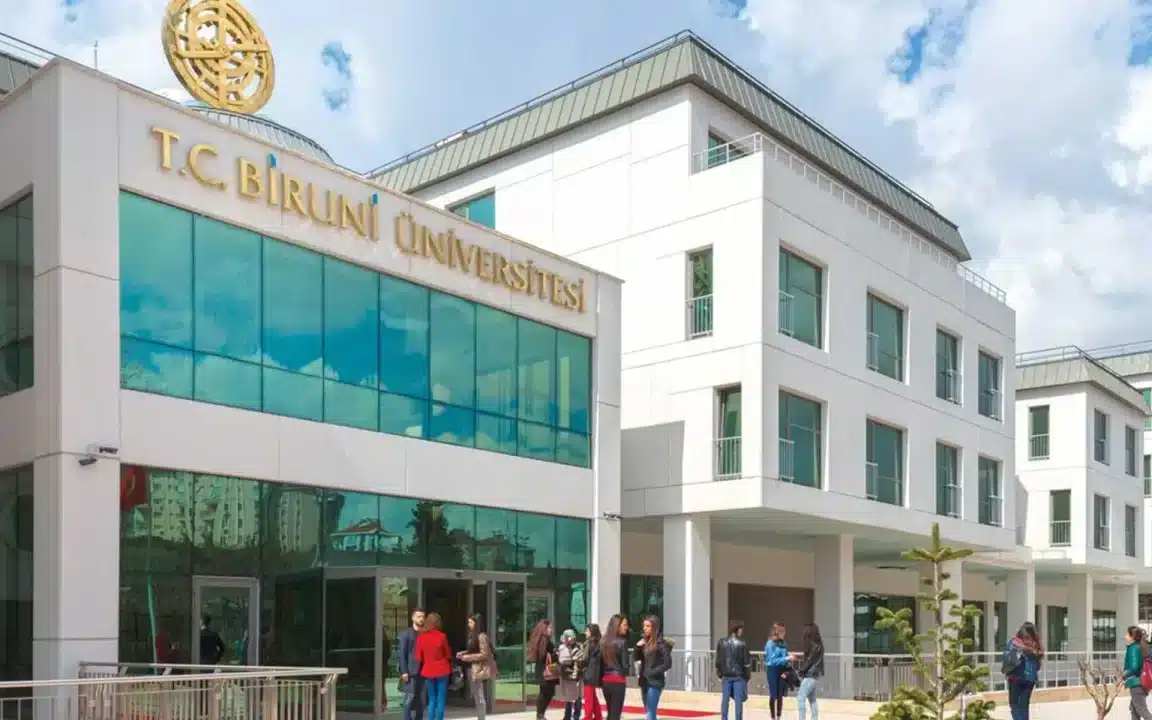
Discover where is Biruni university located in Turkey
Answering the question “Where is Biruni University located in Turkey?” is not merely about pointing to a geographical location on...
See More
Is Istanbul suitable for study and work?
Istanbul stands as one of the most significant cities in Turkey and the world, blending ancient history with modern civilization....
See More
Student Life in Turkey: Between Opportunities and Challenges
Student life in Turkey offers a unique blend of higher education and rich cultural diversity. In recent years, Turkey has...
See More
Details of life in Turkey | 6 distinctive points
Life in Turkey offers a rich and enjoyable experience, providing international students with the opportunity to explore a distinguished educational...
See More